Independent quality assurance, stage monitoring, and testing execution tailored to engineering standards.
Third Party Inspection (TPI)
Conducting independent inspections and evaluations to ensure that materials, equipment, and components comply with client specifications, approved standards, and applicable regulatory requirements.
Stage Inspection as per QAP
In-process quality monitoring was carried out strictly in accordance with approved Quality Assurance Plans (QAPs) and manufacturing schedules.
Welding Inspection
Conducted comprehensive weld verification and visual seam inspections while ensuring strict adherence to approved WPS/PQR specifications, quality standards, and applicable welding procedures.
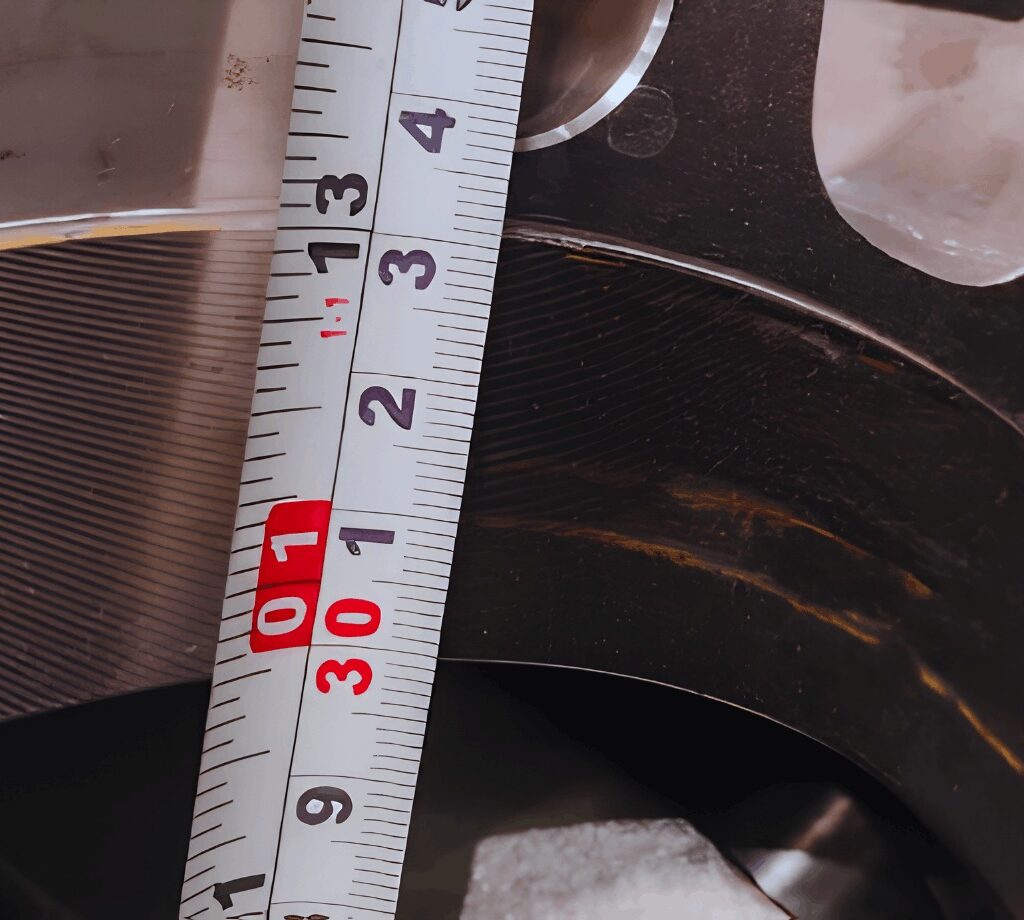
Dimensional Inspection
Precision fitment, tolerance, and alignment are evaluated using calibrated measuring tools to ensure exact fabrication accuracy and consistent quality.
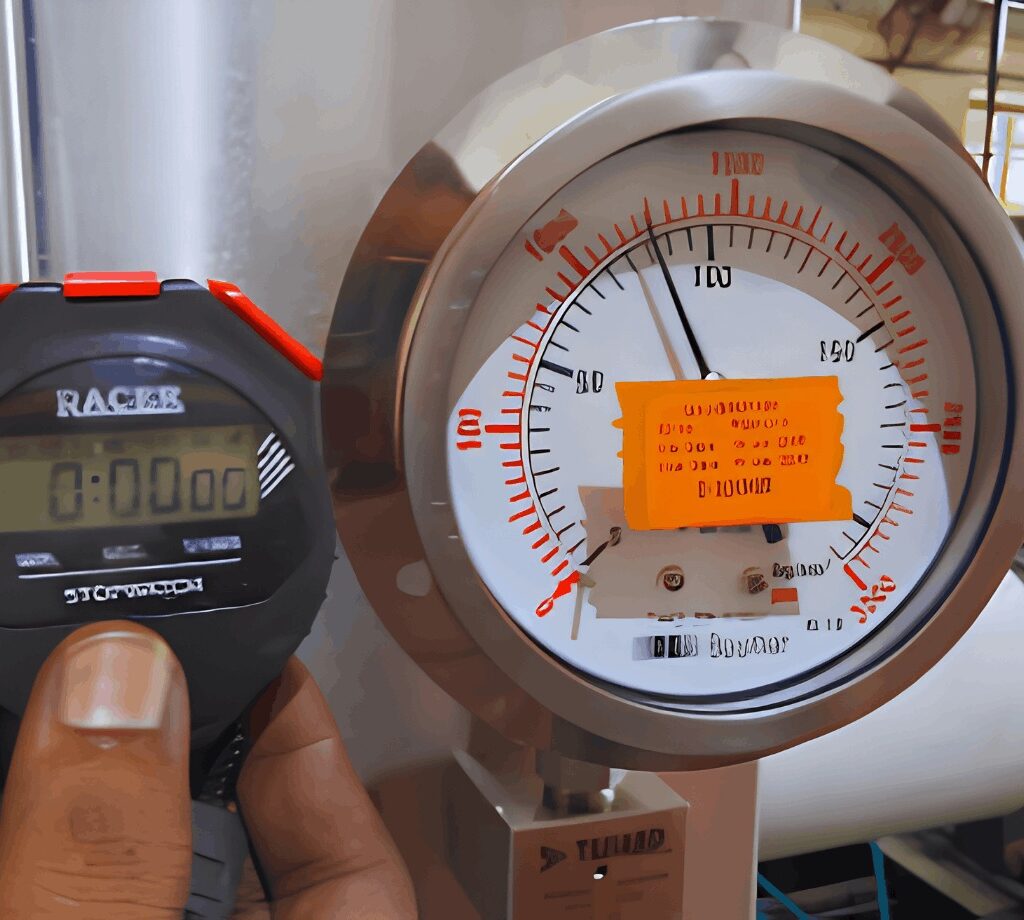
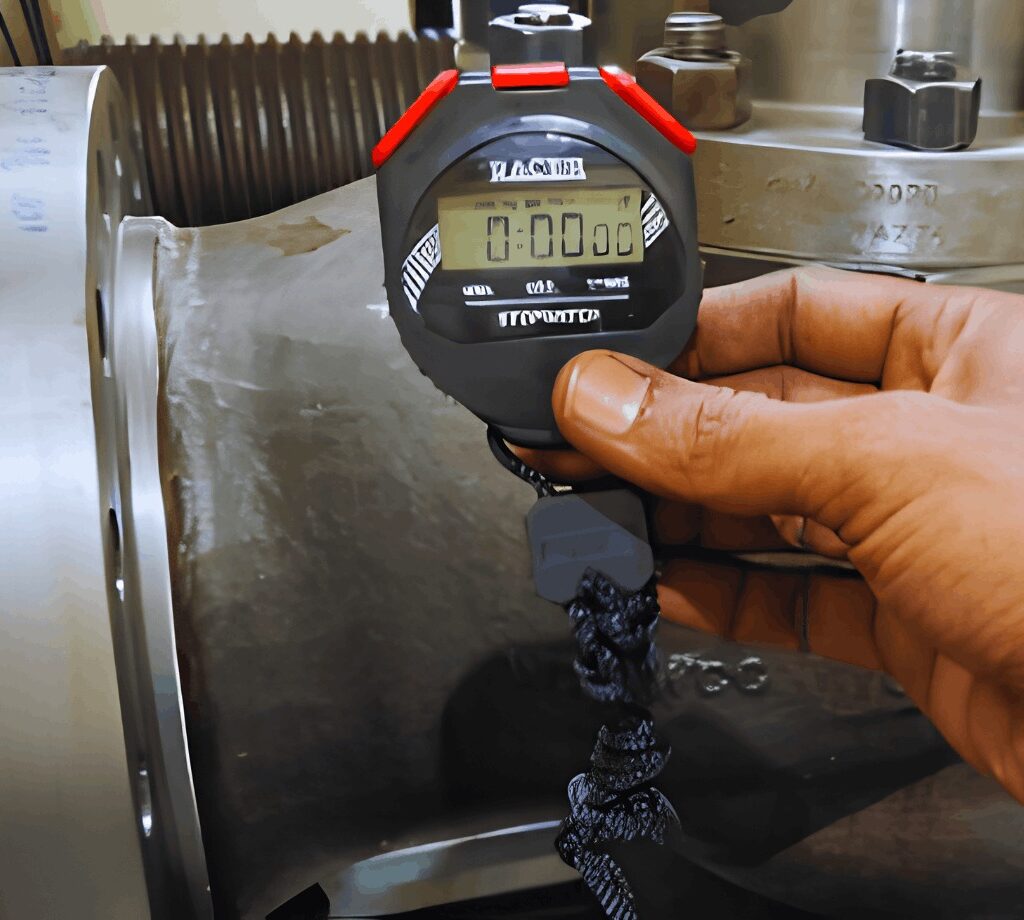
Hydro Test Witness
Witnessing hydrostatic pressure tests to verify structural integrity, adherence to specified pressure limits, and leak-free operation.
Visual Inspection
Conduct a detailed surface and structural inspection to identify defects, surface irregularities, and workmanship issues at an early stage.
Radiography & NDT Coordination
Managing and witnessing Non-Destructive Testing (NDT) procedures, including Radiographic Testing (RT), Ultrasonic Testing (UT), Magnetic Particle Testing (MPT), and Dye Penetrant Testing (DPT), on critical components
Calibration Verification
Ensuring that all site and laboratory measuring instruments are calibrated in accordance with national and international standards.
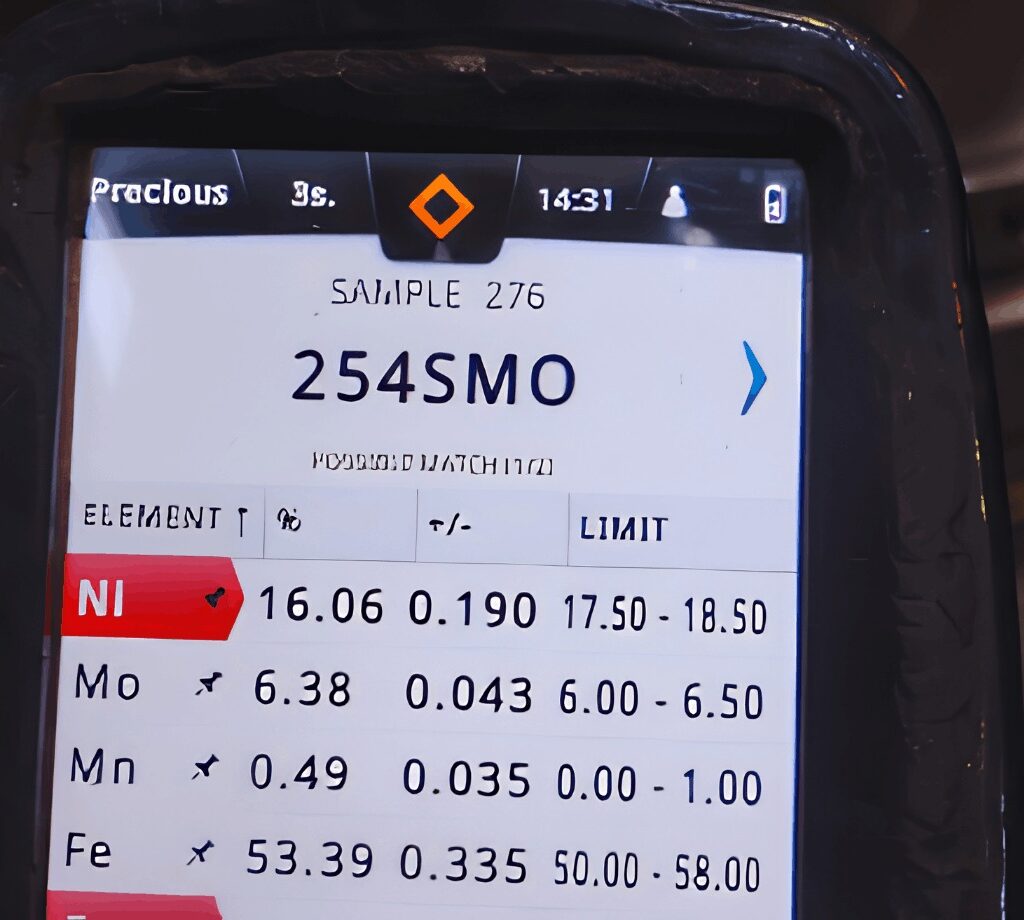
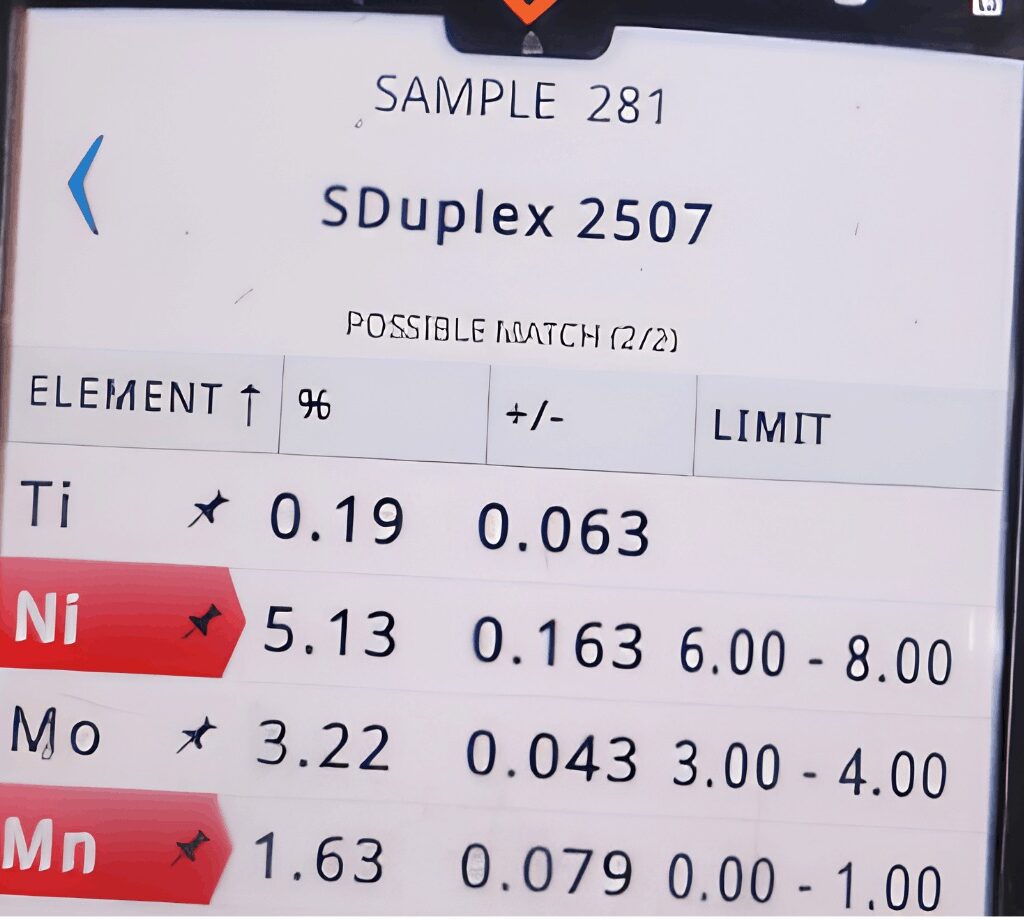
Material Identification & Verification
Verifying raw material grades, heat numbers, mill certificates, and physical parameters prior to fabrication.
Vendor Inspection
On-site audits of supplier facilities, processes, and quality controls to ensure the integrity and reliability of your external supply chain.
Pre-Dispatch Inspection
Final inspection of finished products, including packing, painting, marking, and quantity verification, prior to shipment.
Site Inspection
On-site quality surveillance of erection, assembly, and alignment activities for field projects and plant construction.
Documentation Review
Conduct thorough technical verification of Inspection Test Plans (ITPs), material certificates, NDT logs, and Quality dossiers.
Expediting Services
Monitoring production schedules at supplier sites to prevent bottlenecks and ensure timely completion of projects.
Industries We Serve
Providing specialized technical inspection solutions across critical engineering sectors.
Oil & Gas Industry
Heavy Engineering Industry
Mining & Mineral Processing
Infrastructure & Construction Projects
Petrochemical & Process Plants
Fabrication & Manufacturing Industries
Sugar & Distillery Plants
Cement Plants
Specialized NDT & Inspection Techniques
Detailed examination methods to ensure structural integrity and compliance.
Hydro Test
Ensuring pressure integrity, leak-free performance and reliable operation through rigorous hydrostatic testing procedures.
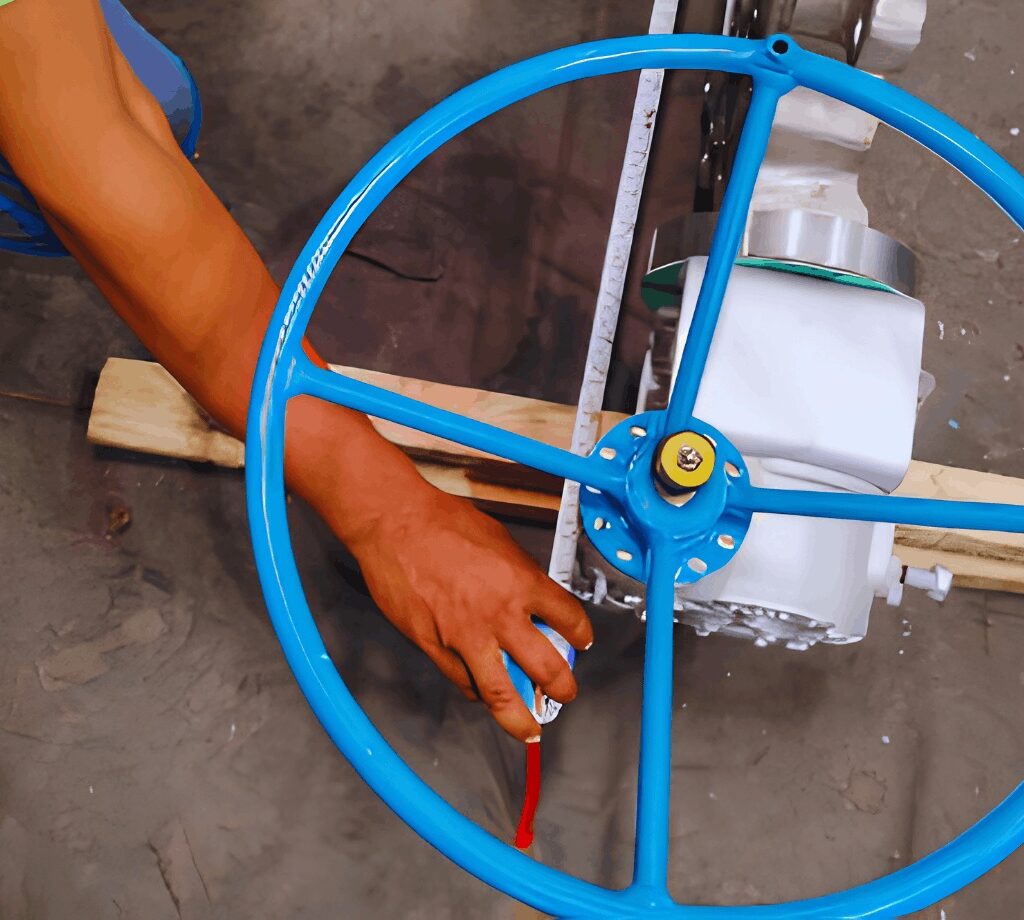
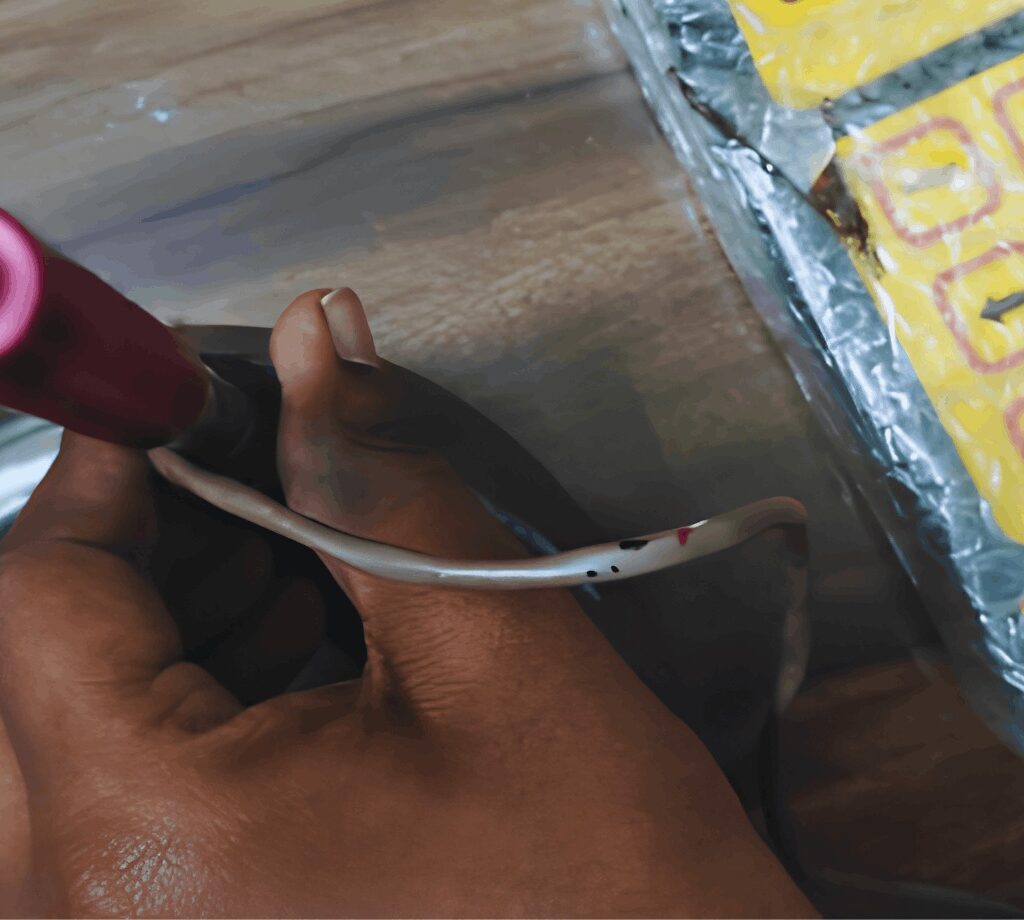
DPT
(Dye Penetrant Testing)
Detecting surface cracks, defects, and discontinuities to ensure component quality, integrity and reliable performance.
Dimensions Check
Accurate dimensional inspection ensures precise fabrication, proper fitment, compliance with specifications and dependable equipment performance.
PMI (Positive Material Identification)
Verifying material composition and grade to ensure quality, specification compliance, traceability and reliable equipment performance.
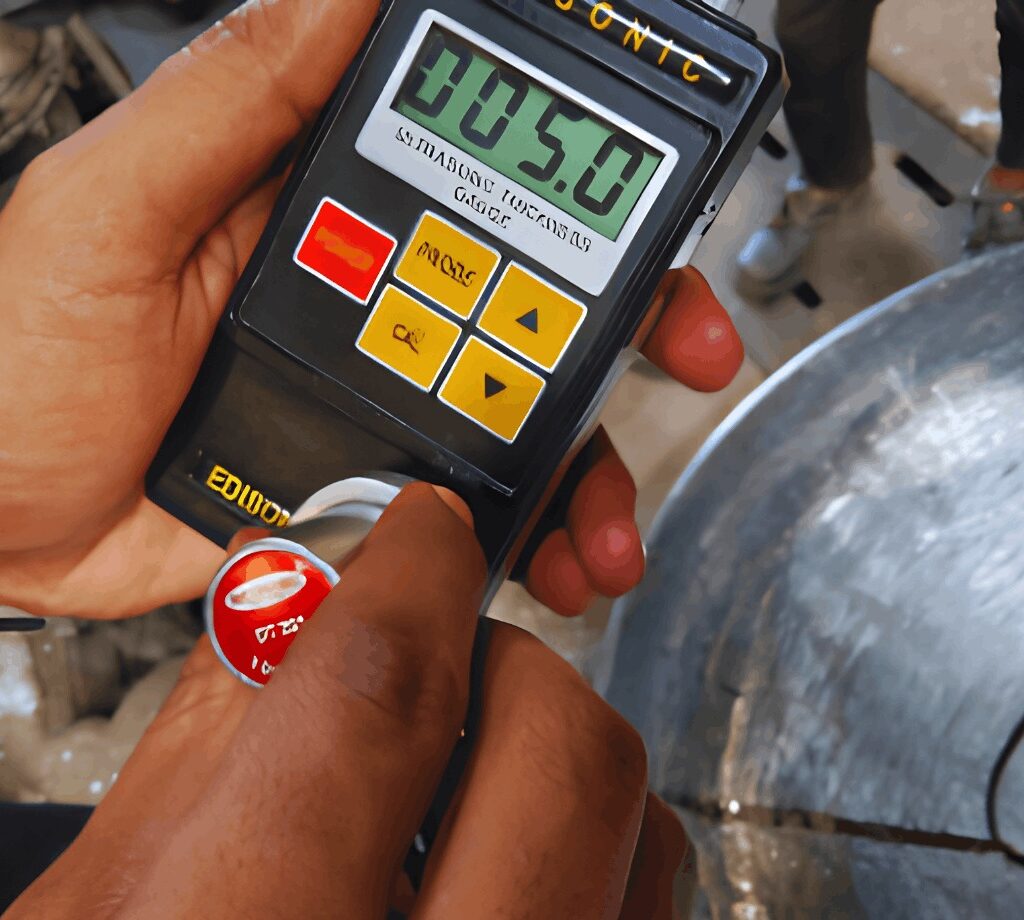
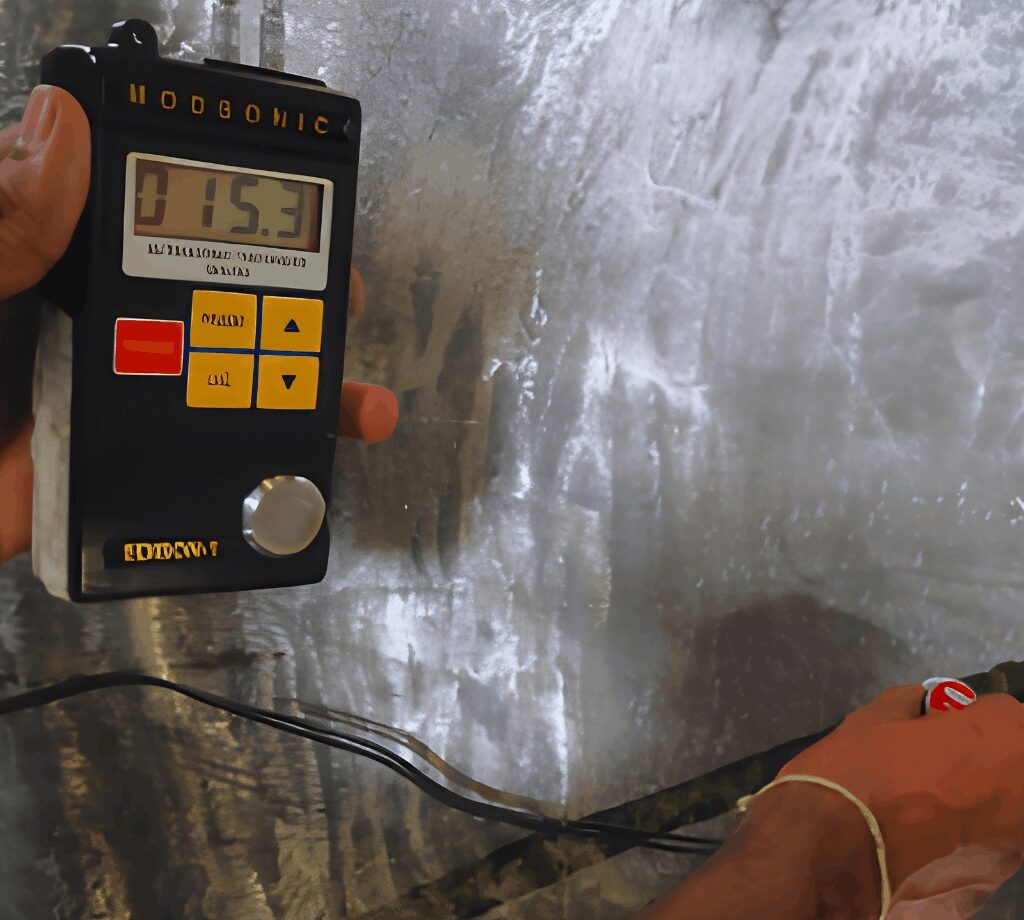
Thickness Check
Accurate thickness measurement ensures material integrity, structural strength, safety and compliance with specified engineering standards.
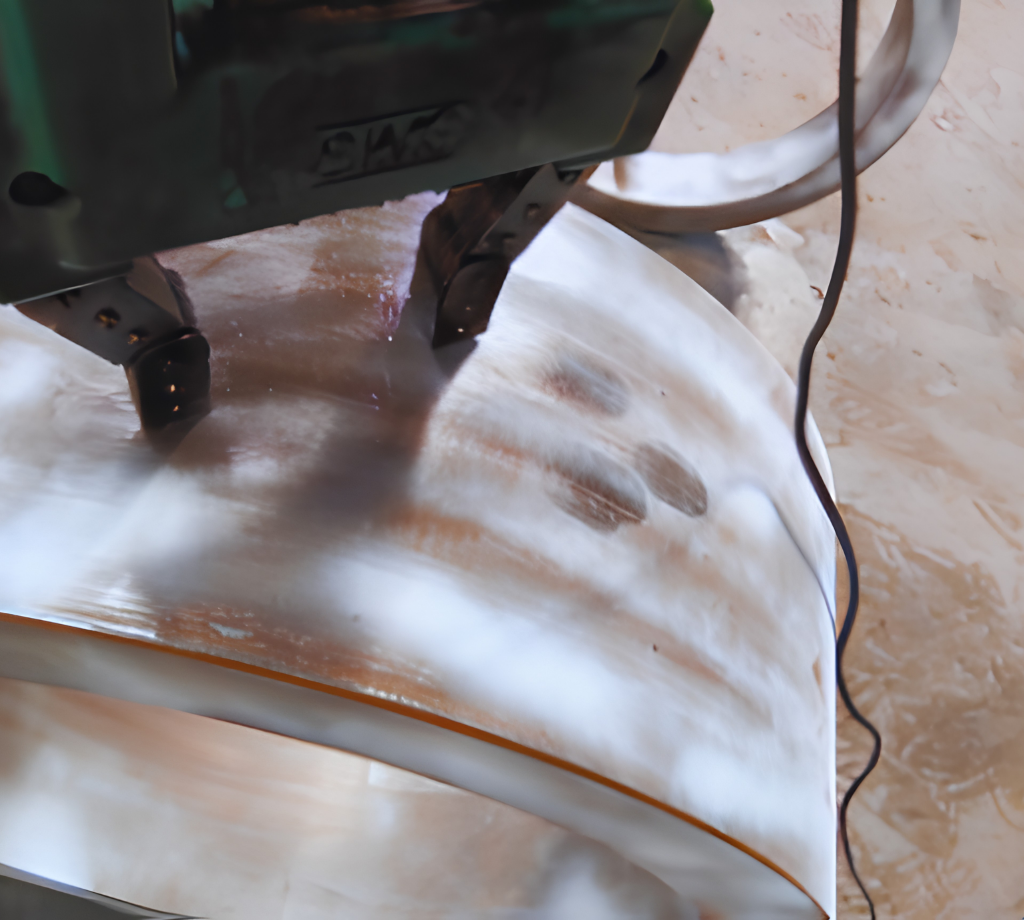
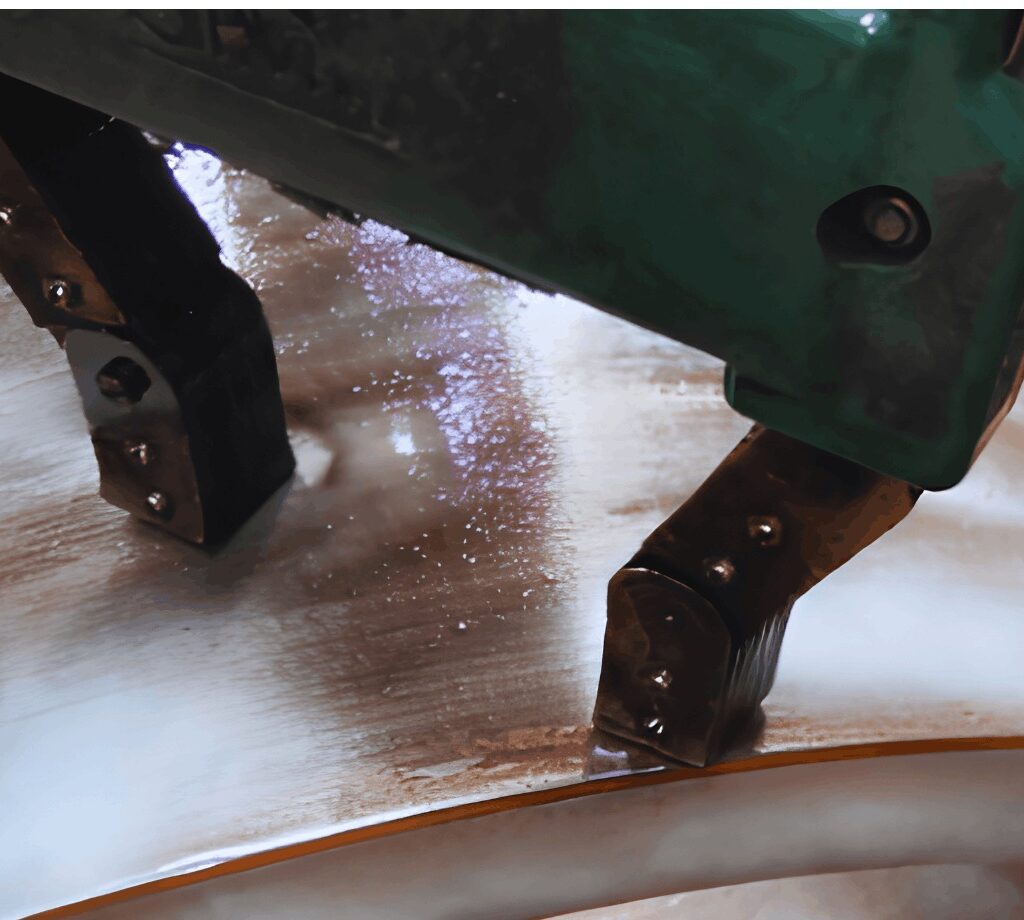
MPT (Magnetic Particle Testing)
Accurate thickness measurement ensures material integrity, structural strength, safety and compliance with specified engineering standards.
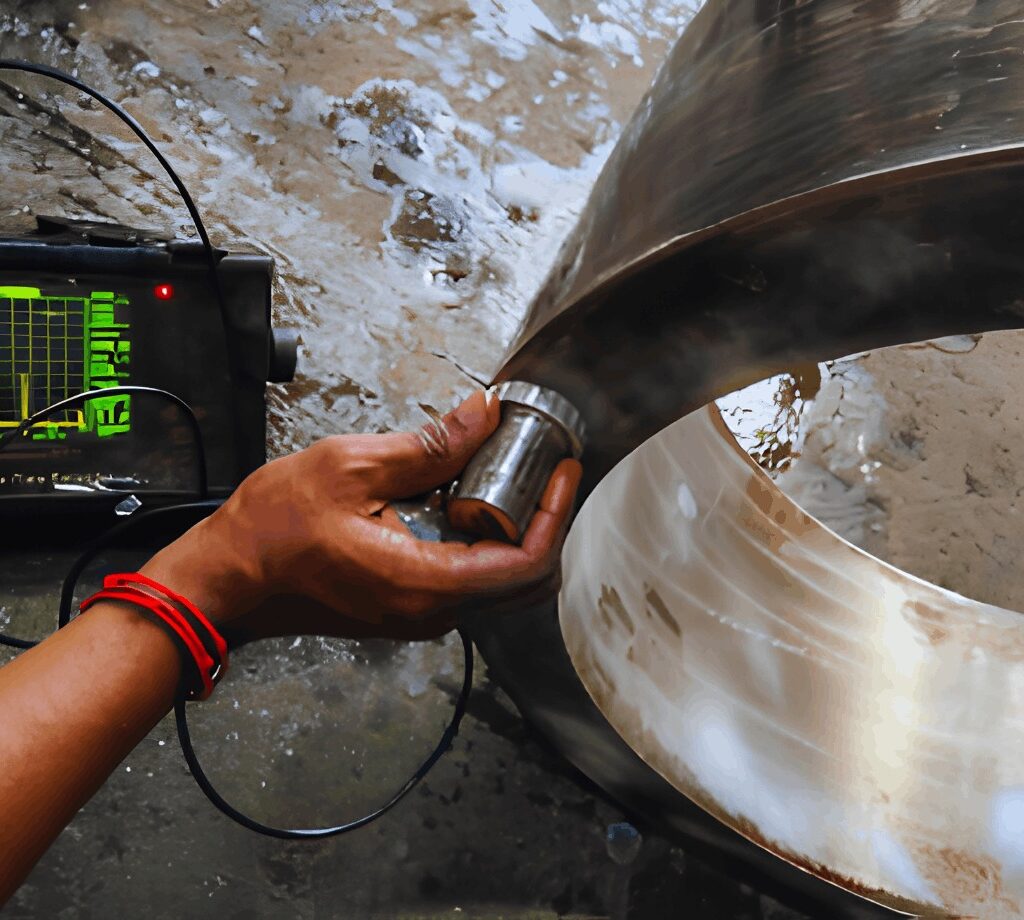
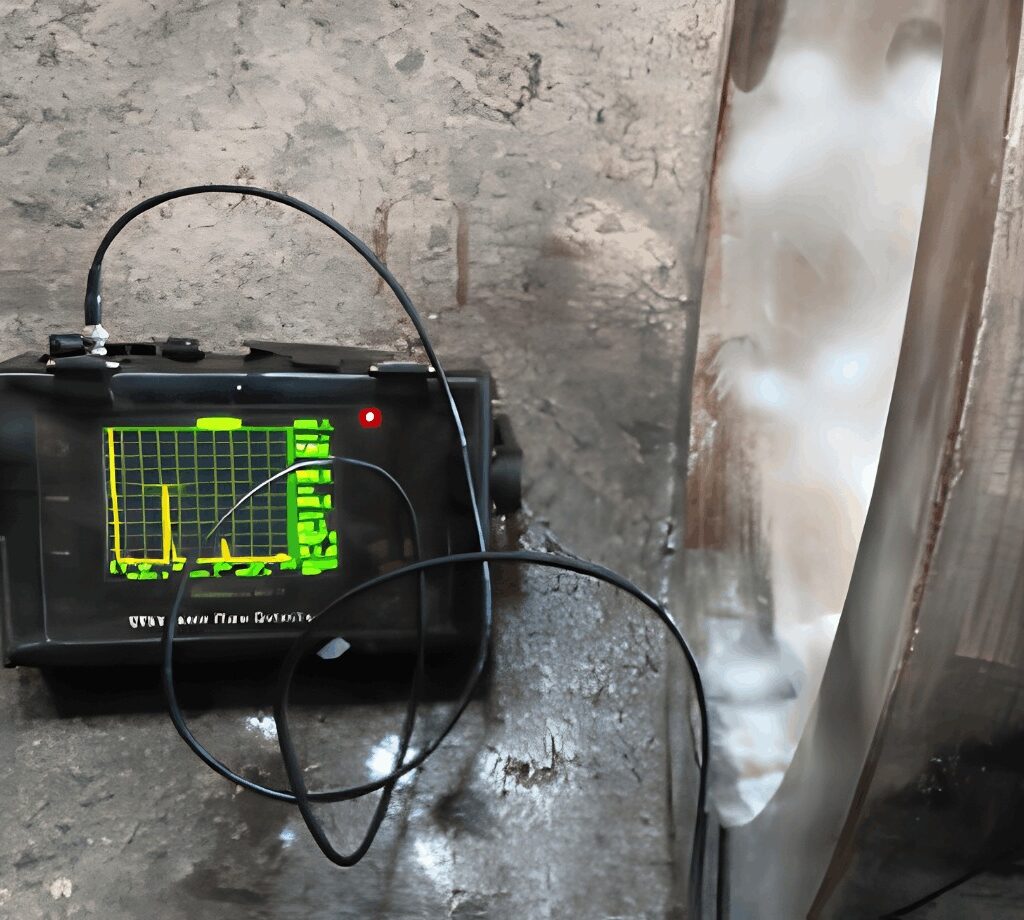
UT (Ultrasonic Testing)
Detecting internal flaws, discontinuities and material defects through ultrasonic waves to ensure quality, safety and reliability.
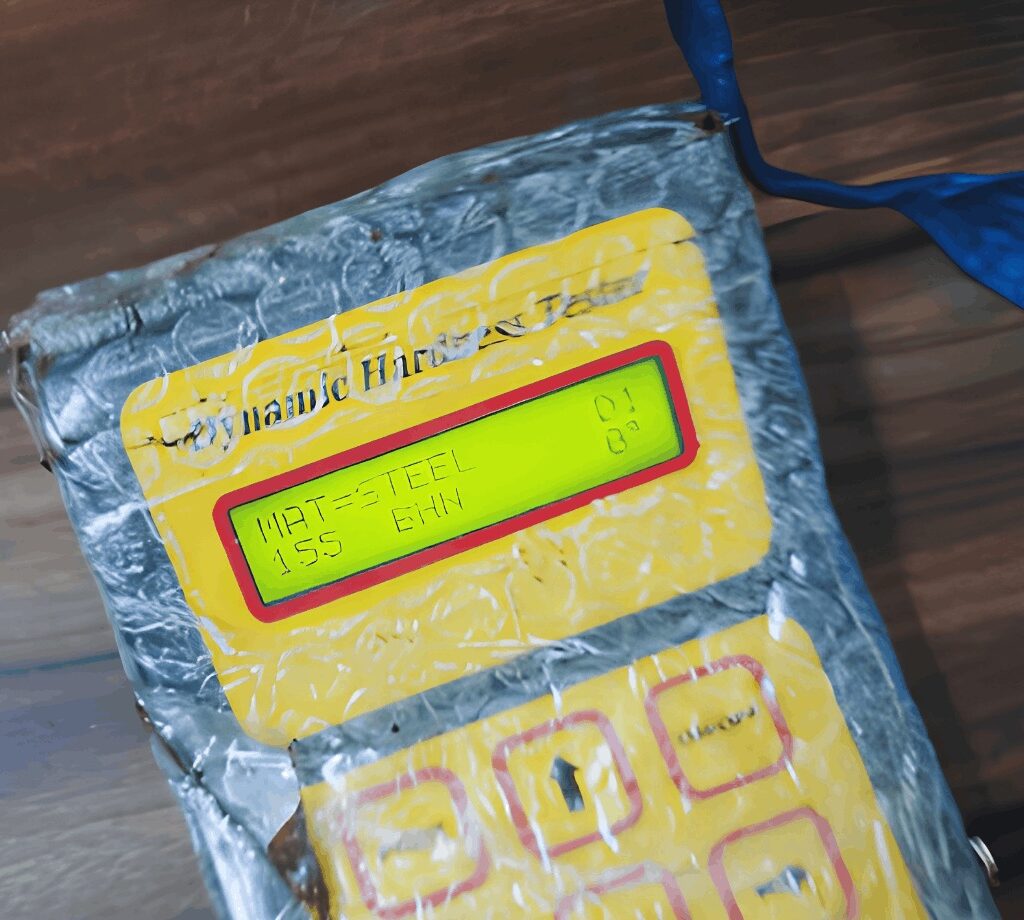
Hardness Testing
Assessing material hardness to verify strength, durability, wear resistance and compliance with specified engineering requirements.